
March 27, 2026
Gentle Dentistry Strategies for Easing Dental Anxiety with Compassion and Care
Dental anxiety affects millions of people worldwide, often preventing them from seeking the care they need. Fear of pain, discomfort, or past negative experiences can make even routine dental visits stressful. Fortunatel
- Fahim Mohi
- Mar 27
- 3 min read
Dental anxiety affects millions of people worldwide, often preventing them from seeking the care they need. Fear of pain, discomfort, or past negative experiences can make even routine dental visits stressful. Fortunately, modern dentistry offers gentle approaches designed to help patients feel calm and safe. This post explores how sedation options, a soothing office environment, and a compassionate dental team work together to ease anxiety and create a positive experience.
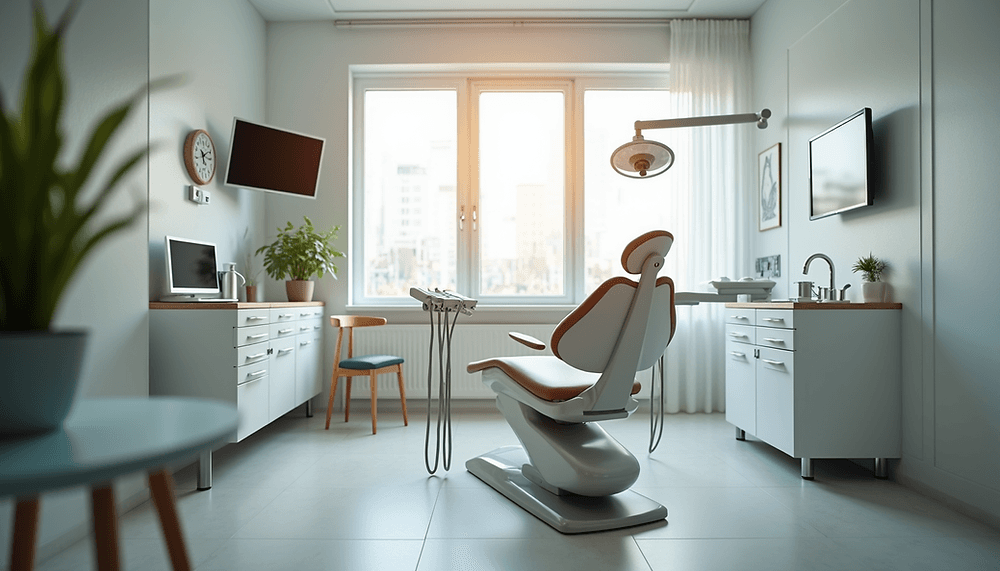
A calming dental treatment room designed to reduce patient anxiety
Understanding Dental Anxiety and Its Impact
Dental anxiety ranges from mild nervousness to severe phobia. It can cause physical symptoms like increased heart rate, sweating, and nausea, making dental visits overwhelming. Avoiding dental care due to fear can lead to worsening oral health, more complex treatments, and higher costs. Recognizing this, many dental practices have adopted gentle dentistry strategies to support anxious patients.
Sedation Options That Help Patients Relax
Sedation dentistry offers safe ways to reduce anxiety and discomfort during dental procedures. Two common options are nitrous oxide and oral sedation.
Nitrous Oxide (Laughing Gas)
Nitrous oxide is a mild sedative inhaled through a small mask placed over the nose. It helps patients feel relaxed and calm while remaining awake and responsive. The effects wear off quickly after the mask is removed, allowing patients to drive themselves home. Nitrous oxide is ideal for patients with mild to moderate anxiety or those undergoing shorter procedures.
Oral Sedation
Oral sedation involves taking a prescribed medication before the appointment to induce a deeper state of relaxation. Patients may feel drowsy but remain conscious. This option suits those with moderate to severe anxiety or longer treatments. The dental team carefully monitors patients to ensure safety throughout the procedure. Because oral sedation can cause lingering drowsiness, patients should arrange for a ride home.
Both sedation methods allow patients to receive necessary care without fear or discomfort. Dentists tailor sedation plans based on individual needs, medical history, and treatment complexity.
Creating a Calming Office Environment
The physical space of a dental office plays a significant role in reducing anxiety. Thoughtful design and atmosphere help patients feel more at ease before and during treatment.
Soothing Colors and Lighting
Soft, neutral colors and warm lighting create a welcoming atmosphere. Harsh fluorescent lights are replaced with dimmable fixtures or natural light when possible. This gentle illumination reduces sensory overload and promotes relaxation.
Comfortable Seating and Waiting Areas
Plush chairs, calming music, and access to water or tea help patients settle in. Some offices provide blankets or stress-relief tools like stress balls. A quiet, clutter-free waiting room minimizes distractions and nervous energy.
Pleasant Aromas and Cleanliness
Subtle scents such as lavender or chamomile can have calming effects. Maintaining a spotless environment reassures patients about hygiene and professionalism, which builds trust.
Distraction Techniques
Offering headphones with music or guided meditation, televisions, or virtual reality headsets can divert attention from anxiety-provoking thoughts. These distractions make time pass faster and reduce focus on dental procedures.
The Role of a Compassionate Dental Team
Beyond sedation and environment, the attitude and approach of the dental team profoundly influence patient comfort.
Active Listening and Clear Communication
Dentists and staff who listen carefully to concerns and explain procedures in simple terms help patients feel understood and informed. Knowing what to expect reduces fear of the unknown.
Patience and Flexibility
Allowing extra time for appointments, offering breaks during treatment, and adjusting techniques based on patient feedback show respect for individual needs. This flexibility builds confidence and cooperation.
Building Trust Through Empathy
A warm smile, gentle touch, and reassuring words create a supportive atmosphere. When patients sense genuine care, their anxiety often lessens naturally.
Encouraging Questions and Participation
Inviting patients to ask questions or signal if they need a pause empowers them. This involvement fosters a sense of control, which is key to overcoming fear.
Practical Tips for Patients to Manage Dental Anxiety
Patients can also take steps to ease their anxiety before and during visits:
Schedule morning appointments to avoid prolonged worry during the day.
Practice deep breathing or mindfulness techniques to calm nerves.
Bring a trusted friend or family member for support.
Discuss sedation options openly with the dentist beforehand.
Use distraction tools like music or podcasts during treatment.
Focus on positive outcomes and the benefits of good oral health.
Real-Life Example of Gentle Dentistry in Action
One patient, Sarah, avoided dental care for years due to intense fear. When she finally sought help, her dentist recommended nitrous oxide sedation and created a calming environment with soft music and dimmed lights. The team explained each step patiently and allowed breaks as needed. Sarah left feeling relieved and confident to continue regular visits. This experience shows how gentle dentistry can transform fear into comfort.
Moving Forward with Confidence
Ready to schedule?